
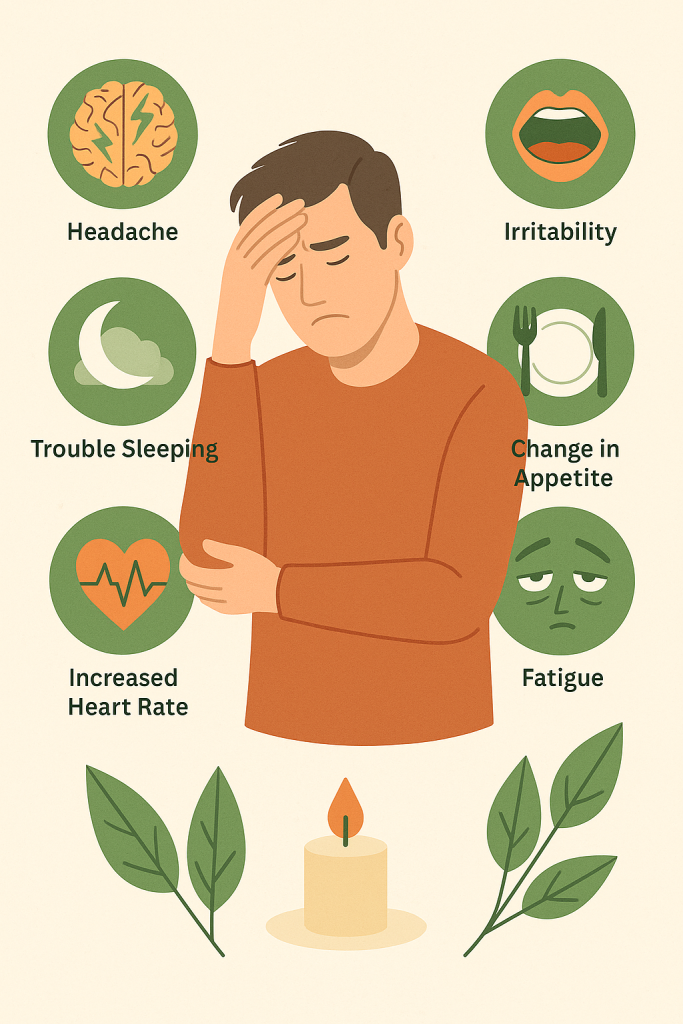
Stress is a natural biological response designed to protect us. When faced with a challenge, the body releases hormones such as cortisol and adrenaline that prepare us for action. In short bursts, this response can be helpful. However, when stress becomes chronic, it may begin to affect multiple systems in the body.
The Cardiovascular System
Persistent stress can contribute to increased heart rate and elevated blood pressure. Over time, these changes may place additional strain on the cardiovascular system. Research suggests that long-term stress exposure may influence inflammation levels and vascular function. While stress alone does not directly cause heart disease, managing it is considered an important part of heart-healthy living.
Healthy coping strategies such as regular physical activity, adequate sleep, and structured relaxation practices may help support cardiovascular wellness.
Digestive Health
The digestive system is particularly sensitive to emotional strain. Stress may affect appetite, digestion speed, and gut sensitivity. Some individuals notice changes such as stomach discomfort or irregular digestion during demanding periods.
The gut and brain communicate through what is often called the “gut-brain axis.” When stress levels rise, digestive processes can temporarily slow down or become more reactive. Supporting digestive health through balanced meals, fiber intake, hydration, and stress management techniques may help maintain stability.
Energy and Fatigue
Chronic stress can influence sleep quality, which in turn affects daytime energy levels. Elevated cortisol patterns may disrupt natural circadian rhythms. This may lead to fatigue, difficulty concentrating, or decreased motivation.
Building consistent sleep routines, limiting screen exposure before bedtime, and incorporating calming evening habits can promote restorative rest and support energy regulation.
Practical Strategies for Managing Stress
- Daily movement such as walking or stretching
- Breathing exercises and mindfulness practices
- Structured work–rest balance
- Social connection and open communication
- Time management and realistic goal setting
Managing stress is not about eliminating challenges but developing healthy responses to them. Small daily habits can significantly support physical well-being over time.